Written by Khine Zaw
Since the start of the decisive war in Arakan, the Myanmar junta has blocked all trade routes, including land and water transport, halting the flow of goods. As a result, the entire Arakan population has been facing numerous challenges, including difficulties in food, livelihood, and healthcare.
Additionally, the junta has been carrying out attacks using drones, heavy artillery, missile strikes, naval warships, and fighter jets, forcing the people of Arakan to flee for their lives.
Even before this, Arakan’s agricultural sector had already been weakened by extreme weather conditions and rising prices of imported goods. After Cyclone Mocha, the situation worsened, causing even greater damage to agriculture in the region.
Due to global climate change, farmers in Arakan have been experiencing droughts, unseasonal rainfall, and water shortages. After the military seized power, the prices of agricultural inputs surged dramatically, making farming even more difficult, according to local farmers.
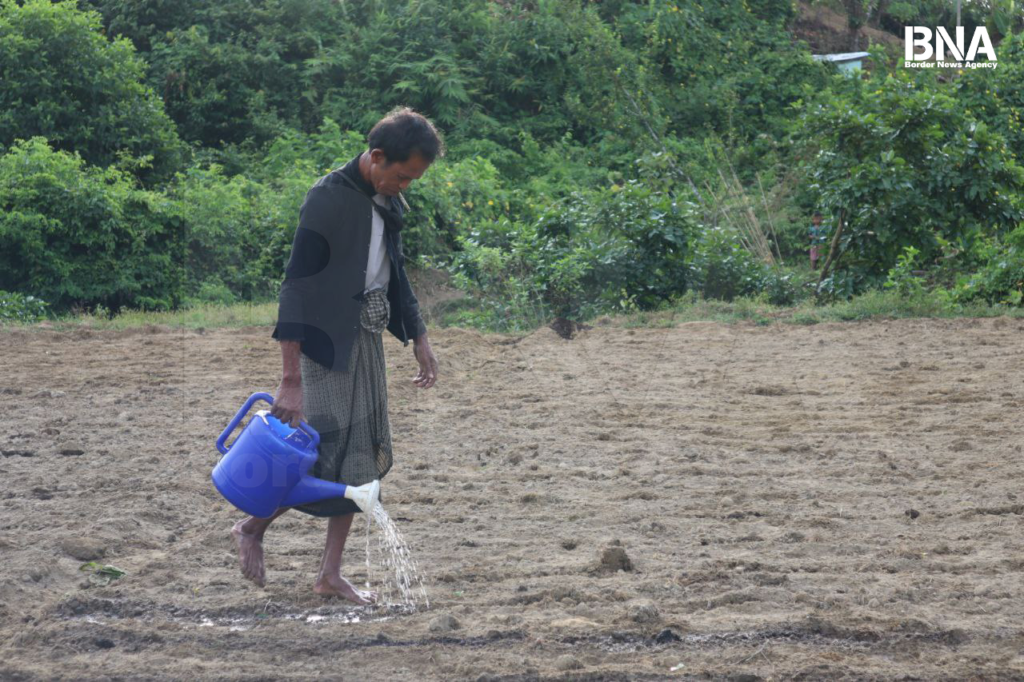
Amid these challenges, Cyclone Mocha struck, followed by intense fighting, leading to the destruction of food supplies, seeds, homes, and livestock. As a result, farmers—who primarily rely on agriculture for their livelihood lost their capital and are now struggling to fully cultivate their lands.
As a result, agricultural land in Arakan has significantly decreased, with farmers reporting that the paddy cultivation area was nearly halved last monsoon season.
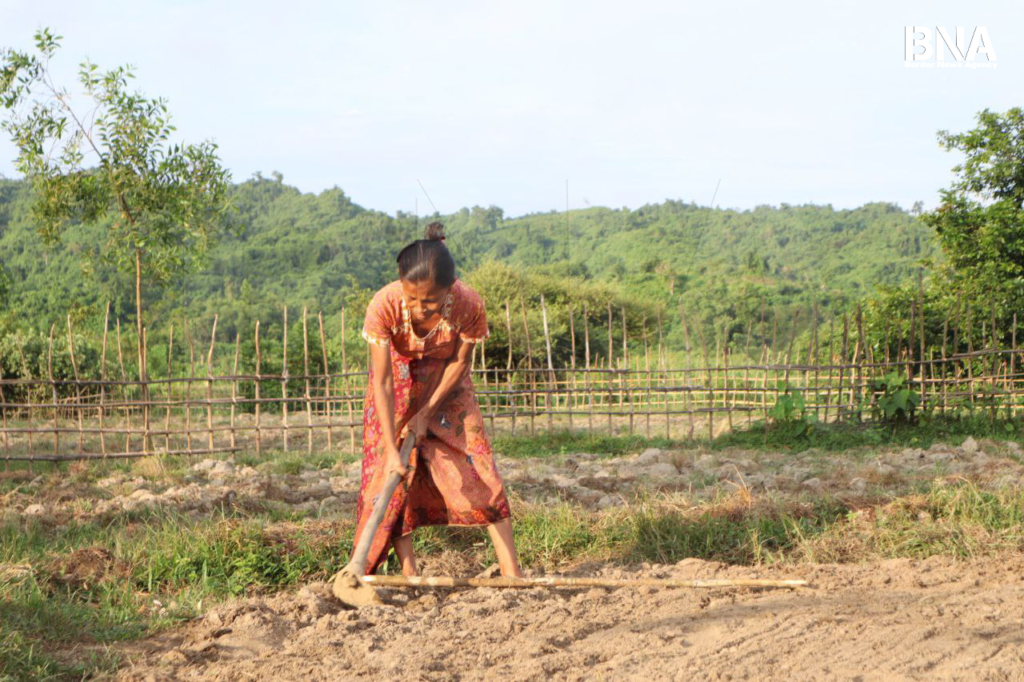
Although Arakan typically has over 1.2 million acres of monsoon paddy fields, farmers were only able to cultivate around 600,000 acres due to these challenges.
Due to the decisive war in Arakan, ongoing displacement, rising input costs, difficulties in selling paddy, and unstable market prices, farmers have reduced their cultivation areas. Agricultural organizations and farmers say the uncertainty in profits has led to this decline.
If paddy cultivation continues to decrease, it could impact regional food security. Therefore, experts and stakeholders are urging timely intervention to address the issue.
The Rapidly Declining Cultivation Area
In Arakan, where agriculture is the primary livelihood, the cultivation area has declined significantly since the military seized power.
After the military takeover in February 2021, the prices of essential goods, including cooking oil, fertilizers, and agricultural pesticides, skyrocketed—rising up to four times their previous costs.
As a result, the paddy cultivation area in Arakan decreased by around 100,000 acres during that monsoon season, according to data from farmers’ organizations.
“We’ve been using chemical fertilizers for a long time. Without them, the soil lacks nutrients, and farming becomes much more difficult,” said a farmer from Ponnakyun Township who has been cultivating for over 30 years.
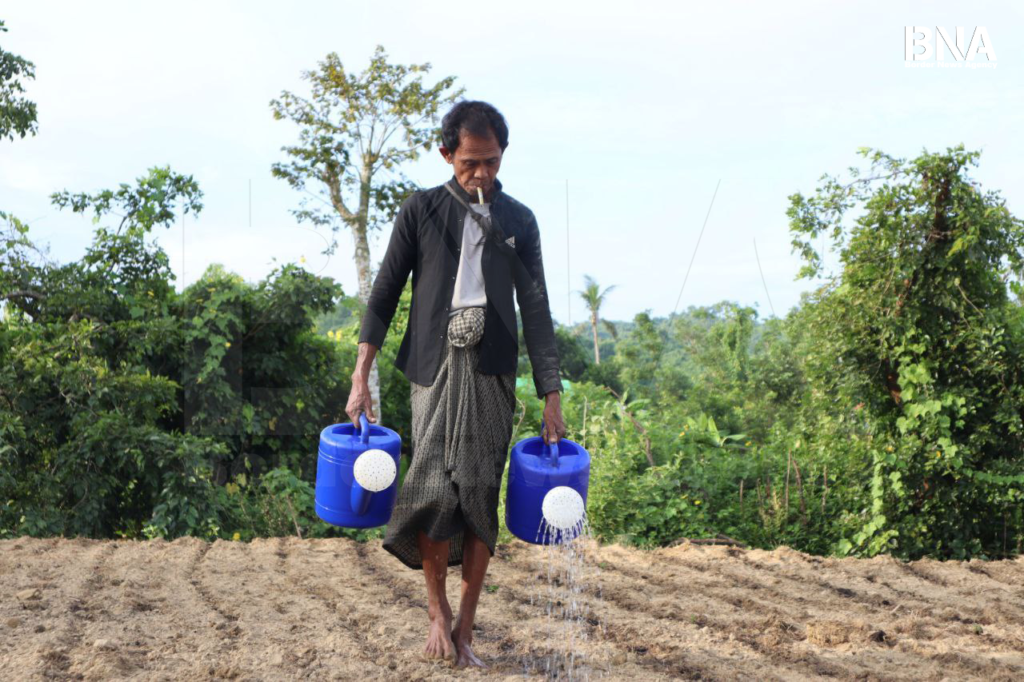
In 2022, a year after the military takeover, farmers in Arakan faced further challenges drought during the early monsoon season, cyclones in the later months, and disruptions from junta forces during harvest time, preventing timely reaping of crops.
That year, the paddy cultivation area decreased by around 300,000 acres, and overall yield dropped by nearly one-third compared to previous years, according to estimates from the Arakan Farmers’ Union.
In 2023, Cyclone Mocha struck once again, further worsening the situation for farmers in Arakan.
On May 14, 2013, Cyclone Mocha caused devastating damage in Arakan, destroying nearly 4,000 acres of farmland, almost 300,000 homes, and resulting in the death of over 20,000 cattle.
In the aftermath of the cyclone, farmers prioritized rebuilding their homes and shelters, but many were unable to focus on their fields. The destruction left most farmers unable to invest in agriculture, as their resources were depleted.
“We lost everything both our crops and homes, so we abandoned our fields, and it’s still the same until today,” said a farmer from Minbra Township, who had been cultivating over 30 acres for more than three decades.
About a year and a half after the cyclone, ongoing local battles and the junta’s airstrikes and artillery shelling caused even more damage, leading to the destruction of tens of thousands of acres of paddy fields.
Due to the ongoing battles and displacement, farmers have been unable to harvest on time, and the destruction from artillery fire and explosions has further damaged crops. As a result, the paddy cultivation area has decreased by up to 600,000 acres, according to data.
This represents a significant decline over the four years since the military’s takeover in 2021, with Arakan’s cultivation area shrinking by nearly half by the end of the most recent paddy season.
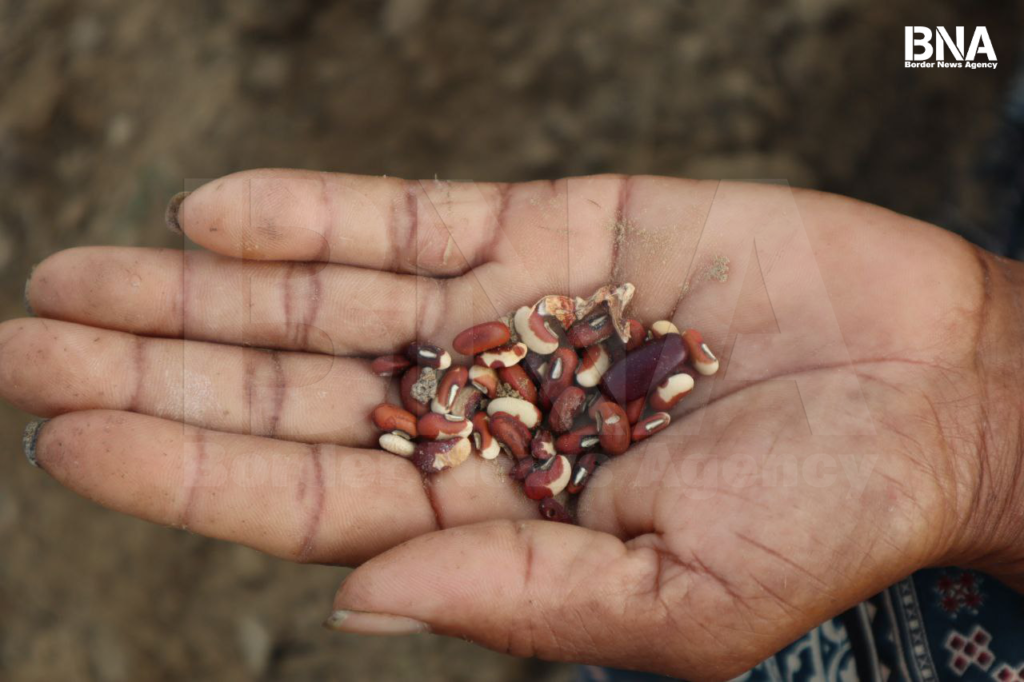
Despite the lower yield, farmers have been unable to achieve good prices for their crops.
As the cultivation area has decreased, the paddy yield has also dropped significantly. With less land available for farming, and the increased cost of fertilizers and pesticides, farmers have been unable to use these resources adequately, leading to even lower yields.
In previous years, with sufficient access to soil nutrients and fertilizers, farmers could harvest around 60 baskets of paddy per acre, but now, the yield has dropped to only 35 to 45 baskets per acre, according to farmers.
Due to the low yield, the remaining paddy is mostly sold within the domestic market, leading to poor prices for the farmers.
After the onset of the conflict, the Myanmar junta blocked all major trade routes, leading to a decrease in the number of buyers for rice and paddy, according to farmers.
“As we can’t export to foreign countries or even within the country like before, the prices are low. There’s no one to buy the rice. Even storing the paddy is a challenge,” said a farmer from Pauk Taw Township.
In previous years, 100 baskets of ric could be sold for around 20 lakh kyats, but now, the price has dropped to about 15 lakh kyats per 100 baskets.
“A well-prepared land with proper soil treatment (fertilizers and soil nutrients) can’t even break even with these prices,” said a farmer from Maungdaw Township.
Farmers in the Arakan region, who primarily depend on agriculture, have been facing significant losses. Even after investing time and effort into cultivating rice, they’ve been unable to recover their costs, leading to financial hardship.
“Next year, I won’t plant at all,” said a farmer from Pauk Taw Township, who had reduced his cultivation area by more than half in the past rainy season.
The challenges faced by farmers who grow seasonal crops in addition to rice are similar. These farmers have experienced a decline in the area used for growing crops like chili, eggplant, cabbage, and watermelon. The price of inputs for these crops has also risen significantly, leading to reduced cultivation.
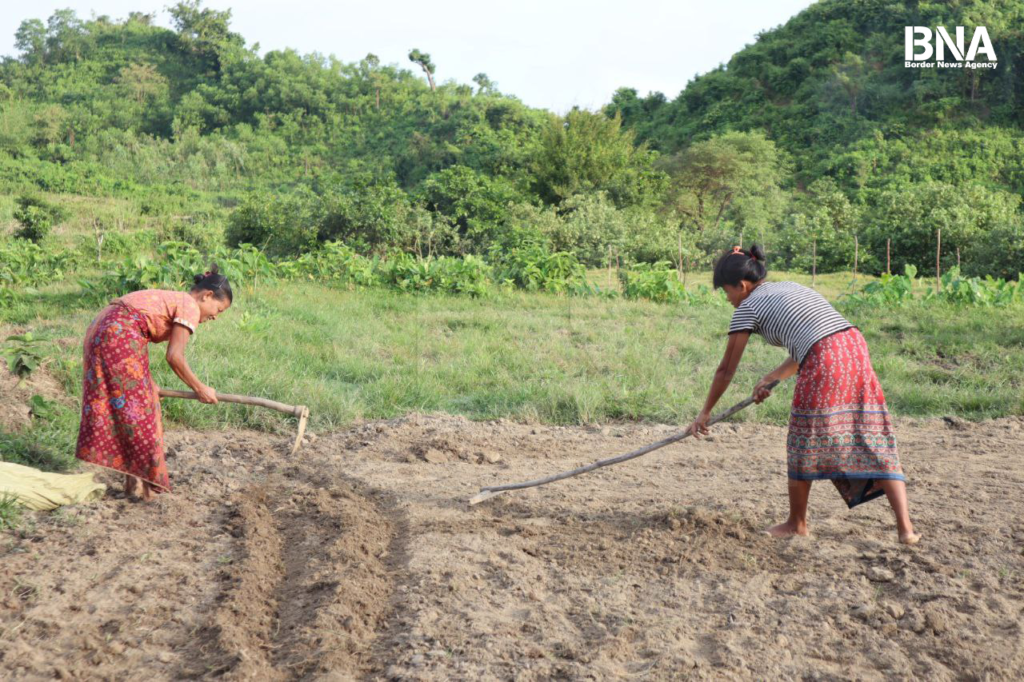
Furthermore, the harvested produce is not receiving favorable market prices, similar to the situation with rice. As a result, farmers are struggling to sell their crops at profitable prices, leading to financial hardship.
Farmers growing seasonal crops have traditionally been able to sell their produce in urban markets through a wholesale system. However, this year, they are forced to sell only in rural markets at lower prices. They had hoped for better market prices to recoup their investments, but now, even with significant capital and labor invested, they struggle to break even.
One farmer from Minbya township, who grows chili, expressed that despite expecting to earn a profit, the returns from their investment are far lower than anticipated. Similarly, farmers growing crops like eggplant, watermelon, pumpkin, and bitter melon are facing a similar situation, where they are encountering high input costs and low profits, making it difficult to sustain their livelihoods.
There is a need to prioritize Food Security
The decline in rice and seasonal crop production areas, along with reduced output, has resulted in a decrease in the value of domestic production in Arakan, which could impact food security. Therefore, urgent measures need to be taken, according to farmer advocacy groups.
”The region’s GDP income has decreased, and with the shortage of rice, food security could be seriously affected for rice consumers,” said one of the farmer advocates.
These conditions are due to the military’s coup, rising input costs for agriculture, abnormal weather patterns, reduced rainfall, the impact of the Mocha storm, and internal conflicts, which have led to capital loss and a shrinking market, according to farmer advocacy groups.
Therefore, to ensure food security in Arakan, and to achieve self-sufficiency in domestic food production, cooperation among relevant authorities, farmer organizations, and local farmers is urgently needed, as emphasized by the people of Arakan.
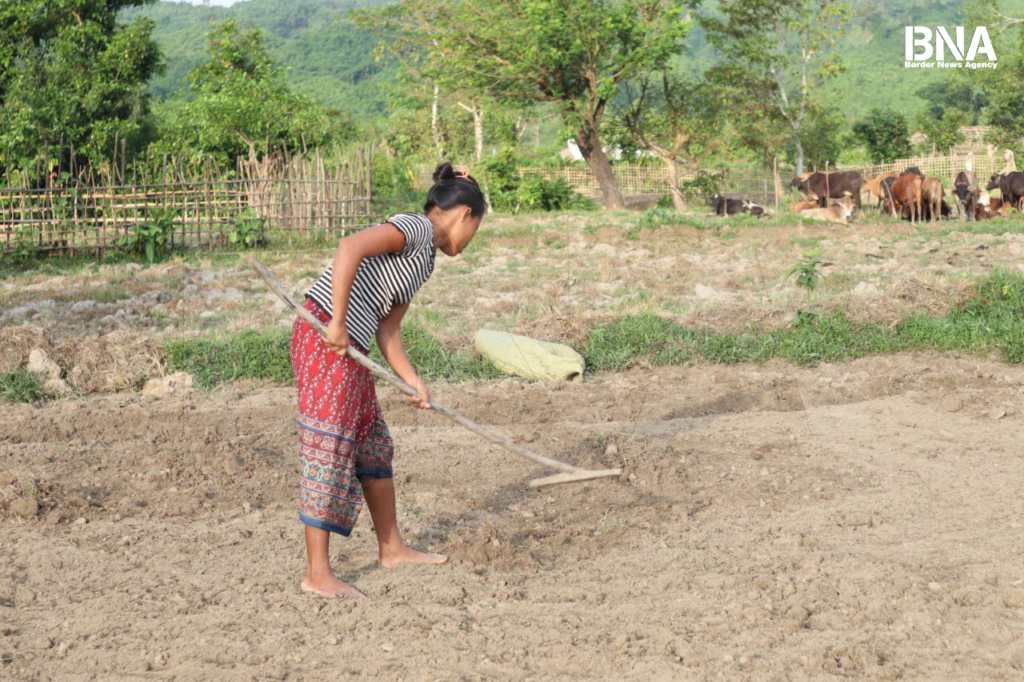
Furthermore, in order to improve the agricultural sector in the Arakan region, farmers are requesting that the international community provide support and assistance.
In the past, some international aid organizations had supported farmers in certain areas of Arakan by providing fertilizers and seeds, but recently, they have not seen such support.
In the final phase of Arakan war, the Arakan Army has successfully captured and secured various areas, including Paletwa, Maungdaw, Buthidaung, Rathetaung, Ponnakyun, Pauk Taw, Kyauktaw, Mrauk U, Minbra, Myaybon, Thandwe, Ann, Taunggoke, Gwa, and Rambre townships.
The people of Arakan have stated that in areas controlled by the Arakan Army, the Arakan People’s Revolutionary Government has been implementing administrative structures.
However, the farmers in the region have expressed that the government has not yet issued clear and specific policies regarding agricultural practices and support.
Therefore, the Arakan People’s Revolutionary Government is coordinating with farmers’ organizations and farmers to develop plans for the advancement of the agricultural sector, according to some officials of the government.
Since agriculture is also an important sector in nation-building, it is necessary to create an environment where farmers are more interested in agricultural activities, according to those working on farmers’ affairs in Arakan.
“To encourage farmers to cultivate, markets need to be established. At the very least, the country’s food supply should come from domestic production,” said a representative working on farmers’ issues.