Cox’s Bazar, Bangladesh Rohingya refugees in several camps across Cox’s Bazar are grappling with a severe water crisis, exacerbating the daily challenges of an already vulnerable community.
In some camps, access to clean water remains limited, making it increasingly difficult for families to meet their daily needs, including drinking, cooking, and maintaining hygiene.
Since 2017, over a million Rohingya refugees have fled to Bangladesh to escape genocide and brutal persecution by Myanmar’s military junta. The atrocities forced an exodus of men, women, and children from Myanmar’s Rakhine State into the world’s largest refugee settlement in Cox’s Bazar. Despite international humanitarian aid, the camps face chronic issues such as overcrowding, inadequate resources, and insufficient infrastructure.
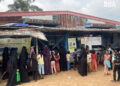
The ongoing water crisis adds to the plight of the refugees, particularly during the dry season when water sources dwindle, and the limited water supply infrastructure struggles to meet the community’s needs. Many families are forced to walk long distances and wait for hours at water points, highlighting the urgent need for sustainable solutions.
Humanitarian organizations and aid workers in the camps have expressed concern over the situation. “The lack of clean and sufficient water is not just a health issue; it affects every aspect of life in the camps, especially for women and children,” said a local aid worker.
As the international community continues to provide aid to the Rohingya refugees, urgent attention is required to address the water crisis in Cox’s Bazar, ensuring the basic rights and dignity of a community that has already endured unimaginable suffering.
Efforts to secure long-term solutions remain crucial, as the Rohingya people face ongoing challenges both within the camps and in their fight for justice and recognition of their rights in Myanmar.