Border News Agency
Cox’s Bazaar, 28 April 2025
COX’S BAZAR – In a groundbreaking initiative aimed at addressing the persistent education crisis in the refugee camps, Rohingya refugees in Cox’s Bazar have launched the Examination Board of Rohingya Refugees. The move marks a significant step toward securing the educational future of thousands of Rohingya children who have been deprived of formal education since their displacement from Myanmar in 2017.
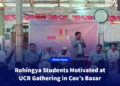
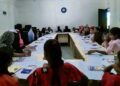
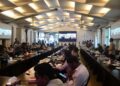
The new board was officially formed on 19 April 2025 as a Temporary Education Committee. It brings together 53 community-based schools, covering primary, middle, and high school levels, operating across the refugee camps. The formation of this board aims to standardize education within the camps, coordinate among schools, organize examinations, process results centrally, and oversee the assessment and announcement of final exam results.
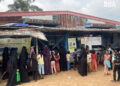
The need for such a coordinated effort has long been felt within the camps. Following the brutal military crackdown in Myanmar’s Rakhine State in 2017, over a million Rohingya were forced to flee to Bangladesh. Since then, education opportunities for Rohingya children have remained severely limited. With no recognized examination system, no certificates, and no clear progression pathways, many students have struggled to continue their education or seek opportunities beyond the camps.
Speaking about the initiative, one of the founding members of the board said, “For too long, our children have been stuck without a future. Without exams and certificates, they cannot even dream of continuing their studies or finding work. This board is the first step to bring hope back into our community.”
The Examination Board of Rohingya Refugees will also aim to ensure transparency and fairness in the academic process. It plans to introduce standardized testing materials and common grading systems for all participating schools. Additionally, the board is working toward establishing basic certification that could help students pursue further education opportunities, whether inside the camps, through online platforms, or in third countries where educational support for refugees exists.
Education workers and volunteers in the camps have expressed optimism about the development. “This initiative shows the resilience and determination of the Rohingya community. Even in the most difficult circumstances, they are finding ways to protect their children’s future,” said an education coordinator working with a local NGO.
The board faces numerous challenges, including the lack of official recognition by national or international education authorities, resource constraints, and ongoing restrictions on formal schooling for Rohingya refugees in Bangladesh. However, the committee believes that by demonstrating the success of this community-led model, they can gradually attract greater support from humanitarian organizations and education partners.
The committee members are currently discussing ways to establish partnerships with academic institutions and refugee education advocates to strengthen the credibility and reach of the examination system.
In the meantime, preparations are underway for the first coordinated exams to be held later this year. Teachers, parents, and students alike have welcomed the announcement with renewed enthusiasm, hopeful that this marks the beginning of a brighter educational journey for the Rohingya children in exile.