
Border News Agency
Ponnakyun, May 14.
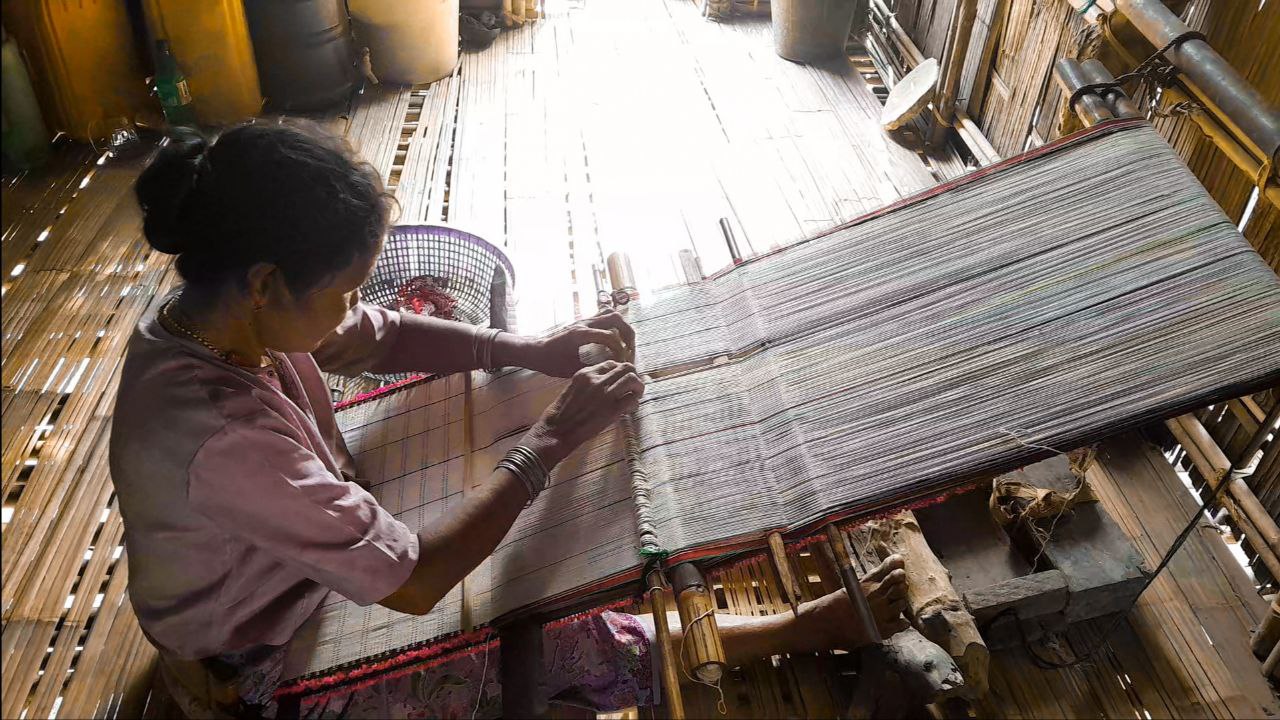
Displaced people from the Mro ethnic group in the Upper Mrat Hlae IDP camp, located in Ponnakyun Township under the control of the Arakan Army, say they are in urgent need of assistance for rehabilitation and rebuilding their lives.
These Mro IDPs were forced to flee from remote areas such as Sin Thay Phya, Aung Ma Kyaw, and Laung Boat villages in Ponnakyun Township.
The displaced Mro people said that vocational training programs and the creation of job opportunities are necessary for their rehabilitation and long-term stability.
“If we are to live here in the long run, we need vocational training and employment opportunities,” a displaced Mro individual told Border News Agency.
The displaced Mro people said they had fled their homes in December 2018 due to armed conflict.
In the final phase of the Arakan war, the Arakan Army has fully taken control of 15 townships, including Paletwa, and is currently establishing administrative mechanisms under the Arakan People’s Revolutionary Government.
Although the Arakan Army has taken control of Ponnakyun Township and allowed displaced people to return to their homes, the Mro IDPs say they are unwilling to return due to the presence of landmines and unexploded ordnance in their native villages.
“If we return home, we will face many difficulties. Here, we can go into the forest to catch fish or gather vegetables, and if we manage to find something, we can sell it to support our families. There are job opportunities here. There are more opportunities. But in our native village, it’s too remote and not suitable for living. There are no jobs there. The IDPs in this camp don’t want to return,” said U Kyar Ni Aung, a displaced person, to Border News Agency.
Some of the displaced people have returned to their native villages, but due to a lack of job opportunities and the danger of landmines in farmland and plantations, they are struggling to make a living, according to members of the Mro community.
Therefore, the majority of displaced Mro people have chosen not to return to their native villages and instead continue to live in the Upper Mrat Hlae IDP camp in Ponnakyun Township, where there are more job opportunities and it is easier to find ways to support their families, according to the displaced people.
Although life in the IDP camp is still difficult in terms of livelihood, the displaced Mro people said they have decided not to return to their native villages because the camp offers better access to education for their children, healthcare services, and transportation infrastructure.
“At this time, there is absolutely no opportunity for children to receive an education in our native area. Not only is it a remote and isolated region, but there’s also a lack of educated people—there are no teachers at all. But here in the IDP camp, children can at least access some form of education together with others from nearby villages. That’s why we no longer want to return home,” said U Aung Myint, the camp coordinator, to Border News Agency.
The Mro people have traditionally lived in the forests, remote mountain areas, and places with difficult access to transportation in the Arakan region.
Because of this, they have faced significant challenges in education, healthcare, and infrastructure, with everything remaining underdeveloped. During the final phase of the Arakan war, they were among those who suffered the most from the impacts of the violence and conflict.
However, the people of Arakan say that since the armed conflict has not yet been fully resolved, comprehensive reconstruction and development efforts for the people of Arakan cannot be fully carried out.
Ethnic minority Mro people primarily live in townships such as Maungdaw, Buthidaung, Ponnakyun, and Kyauktaw in the Arakan region. Amid the ongoing conflict in the region, the Mro people are striving to survive and sustain themselves. They have expressed a strong need for vocational training and the creation of job opportunities to ensure their long-term stability, according to community members.



Comments 1
Can you be more specific about the content of your article? After reading it, I still have some doubts. Hope you can help me. https://www.binance.com/register?ref=IHJUI7TF