
Border News Agency
Mrauk-U, October 22
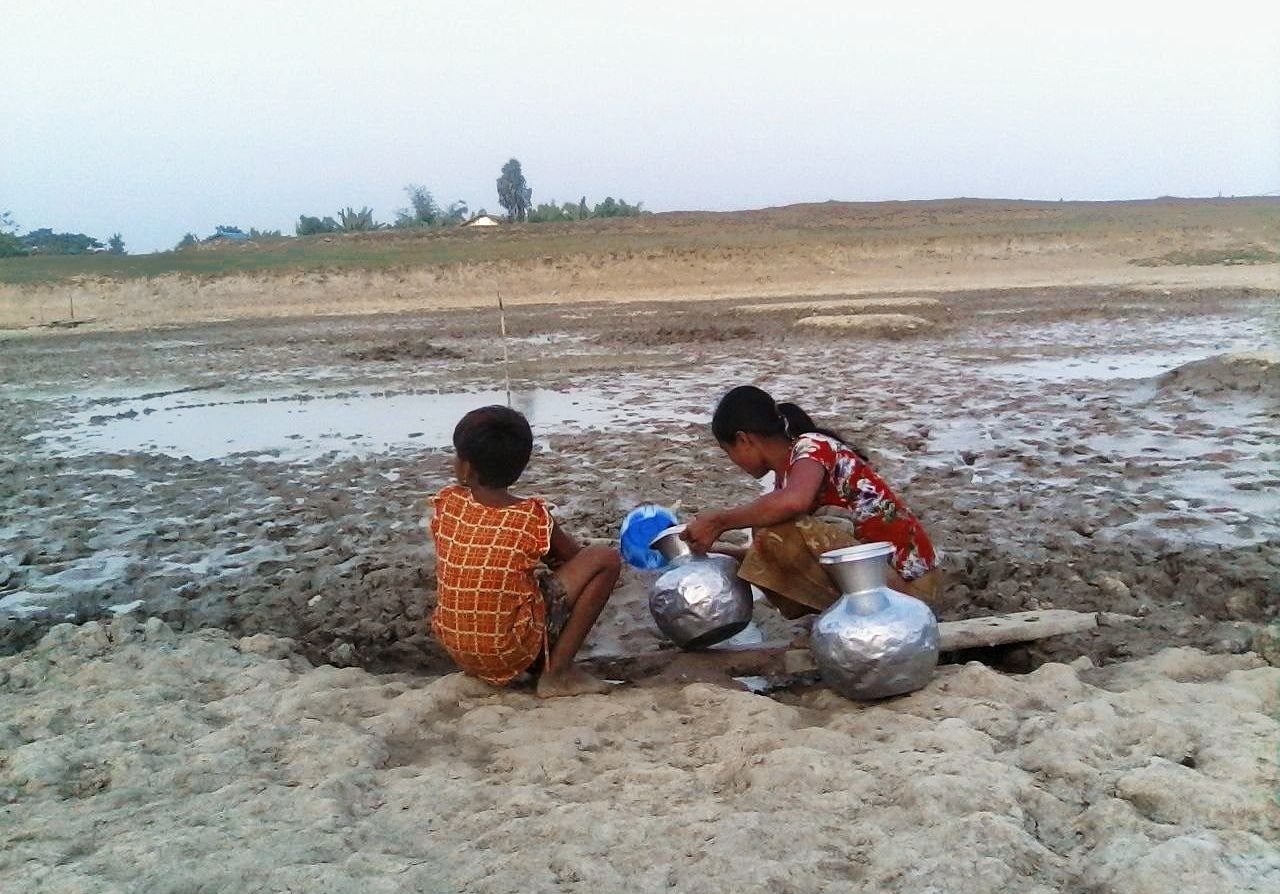
During the coming winter and summer seasons, the El Niño phenomenon may lead to drought and water shortages. High temperatures, water scarcity, and diarrheal diseases may also occur. Therefore, Border News Agency is sharing practical measures that people can follow to prepare for these risks.
1. Collect and Store Water Before the Rainy Season Ends
Before the rainy season ends, every household and community should prepare reservoirs, wells, and rainwater collection systems and systematically collect as much rainwater as possible.
Roofs used for rainwater collection and water storage tanks should also be cleaned in advance.
2. Treat Drinking Water Properly
During periods of water scarcity, water may contain sediment and microorganisms. Therefore, people can boil drinking water before consumption or use solar water disinfection (SODIS), a method in which water is placed in clear plastic bottles and exposed to sunlight for three to six hours to help disinfect it.
3. Prioritize and Allocate Water Systematically
Each household should conserve water. If water shortages occur, drinking water for people must be given the highest priority.
Water for household use should be the second priority, followed by water for agriculture and livestock, in that order.
4. Protect Health and Prevent Diseases
To prevent dengue fever and other infectious diseases that may spread during periods of water scarcity, water storage containers should be tightly covered.
Water in containers should be changed regularly, and the containers should be cleaned weekly to prevent mosquitoes from breeding.
5. Cooperate with Community Water Committees
Communities should regularly monitor local water levels. If an emergency water shortage occurs, residents should work together with community water committees and administrative bodies to address the situation systematically.
Border News Agency urges the public to regularly monitor warnings issued by the Department of Meteorology and Hydrology so that they can take precautions in advance and protect themselves against natural disasters.