Border News Agency
Rathedaung, October 22
During the coming winter and summer seasons, El Niño may cause drought, water shortages, high temperatures, and rising prices. Border News Agency shares practical steps that people can take to protect their livelihoods and prepare for these challenges.
1. Increase Household Income Sources
Make a list of all income sources in each household, such as farming, livestock raising, daily wage work, selling goods, and money sent by family members working away from home.
Identify households that are most at risk, including those with young children, people with disabilities, women-led households, and displaced families. Give these households priority for support.
2. Support Farming and Livestock Raising
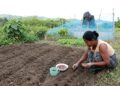
Provide seeds to farmers before the planting season begins.
Support farmers in growing short-season crops that can better withstand difficult weather conditions and are affordable to grow. These may include green taro, chickpeas, and pigeon peas. Provide the necessary seeds in advance.
3. Develop Different Sources of Income
Encourage households not to depend on only one source of income.
Provide training and financial support for livelihood activities that do not depend directly on land or water. These may include sewing, handicrafts, and producing processed food products that can be sold for a higher price.
4. Establish Savings Groups and Financial Protection
Community savings groups should set aside a separate emergency fund.
Prepare rules in advance so that people can receive emergency loans with no interest or low interest when a disaster occurs.
5. Provide Food and Other Support Before and After Emergencies
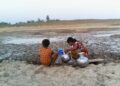
Support communities in storing food supplies and preparing water storage containers, such as jars and tanks. Develop safe water storage systems that can continue to provide water during difficult conditions.
Provide safe drinking water and food to help people maintain a healthy and nutritious diet.
6. Protect Safety and Workplace Conditions
Connect communities with early warning networks and assign responsible people to make sure warnings quickly reach workers and people living in areas facing water shortages.
Give priority to people’s safety and social protection, and carry out these activities in an organized way.
Border News Agency urges the public to regularly follow warnings issued by the Department of Meteorology and Hydrology and take early action to protect themselves from natural disasters.